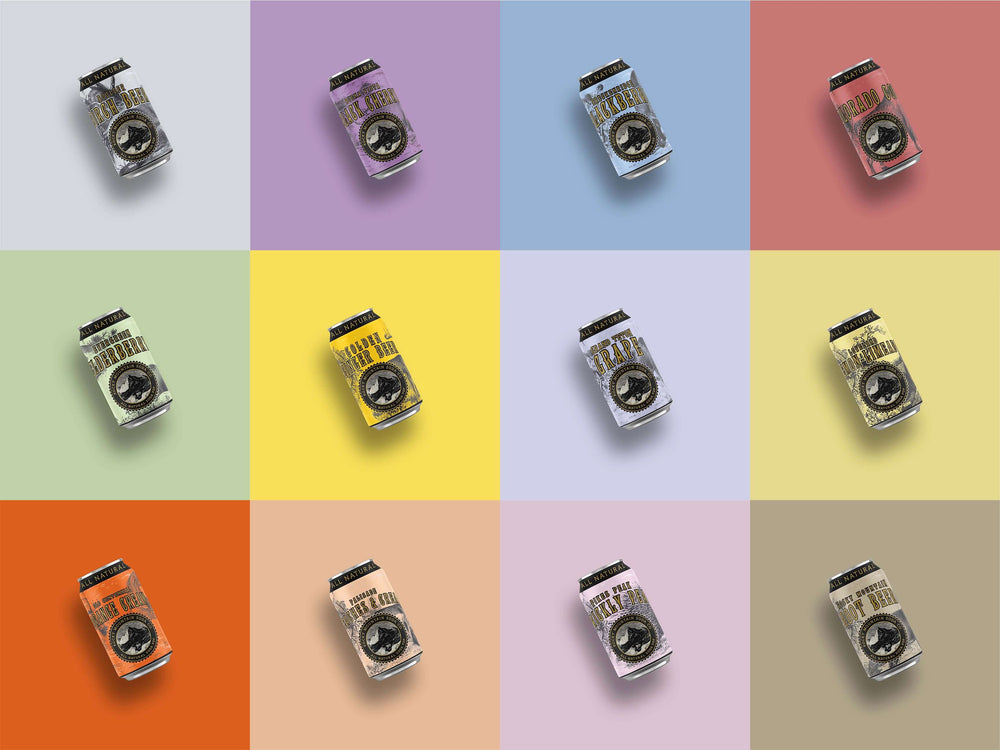
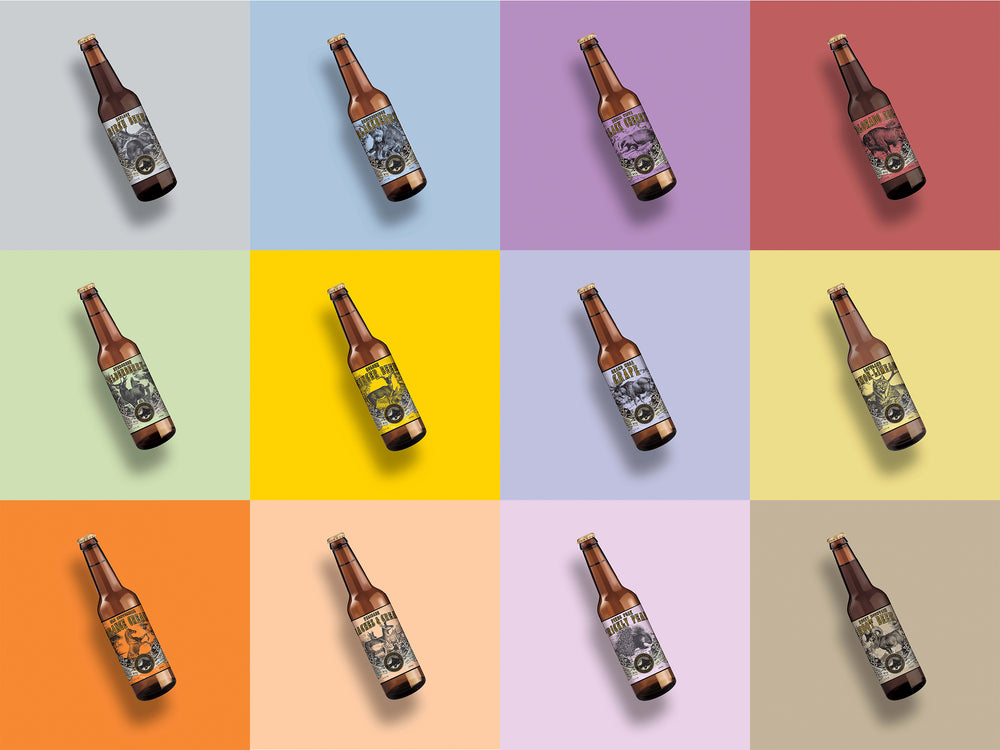
When it comes to soda, people love the refreshing taste, the fizzy quality and the variety of flavors. But beneath all the fizz and sweetness lie some potential problems. Sugar overload is one that most people are aware of. And another, lesser-known issue is the inclusion of artificial colors and flavors in many of today's most popular brands. In this post, the team behind Rocky Mountain full-flavor natural soda take a close look at the hazards lurking in the artificial flavors and colors so many mainstream brands rely on.
What Are Artificial Colors and Flavors?
Artificial flavors are created in a laboratory and are designed to mimic the taste of various natural ingredients. Artificial flavors have a variety of names, including Isoamyl Acetate, Octyl Acetate, Ethyl-3-Phenylglycidate, and Methyl β-Naphthyl Ketone. Their job is to trick your tastebuds into thinking you are consuming the real thing. Artificial flavors are typically used because they're cheaper and more convenient for the manufacturer.
Artificial colors have names that are only slightly less creepy than those for artificial flavors. Some popular artificial colors include Red 40, Blue 1, Yellow 5 and Yellow 6. The job of these chemicals is to make the soda pop look more visually appealing and to separate a particular brand from the competition. These artificial chemical dyes add nothing of nutritional value to the soda, they are there strictly for marketing purposes.


The Health Concerns Posed by Artificial Colors
There is a long history of scientific studies that have raised concerns about the safety of consuming chemical dyes on a regular basis. Those studies often cite the following potential risks.
The risk of hyperactivity in children
Studies strongly suggest that certain artificial colors, such as Red 40 and Yellow 5, may be linked to hyperactivity in children, as well as attention deficit issues.[1][2] Additional studies have shown that children with ADHD often experience a reduction in symptoms when they stop consuming these chemical dyes.[3]

Allergic reactions
Artificial colors are also suspected to be behind allergic reactions in some people. For example: studies have linked Yellow 5 with asthma-like symptoms in some people and hives in others.[5] These kinds of effects are what are driving many people to switch to all-natural kosher and non-GMO sodas like those from Rocky Mountain Soda.
Potential carcinogenic risks
Studies have not established an ironclad link between certain artificial colors like Red 3 and cancer, but there is enough evidence from animal studies to raise red flags in the health-conscious. Most experts recommend avoiding sodas that contain such artificial colors and to seek out alternatives like our natural Colorado soda.
Risks to the digestive system
It's vital to maintain a healthy microbiome in the stomach and intestines. Research suggests that certain artificial colors may negatively affect gut bacteria balance and promote inflammation in animal models.[4]
The Health Concerns Posed by Artificial Flavors
Artificial, lab-created flavors serve no nutritional purpose. Their only job is to trick your mind into believing the soda you are drinking contains this or that natural ingredient, be it a certain kind of fruit or something else. Consuming these man-made chemical compounds on a regular basis carries with it some potential health risks, such as:

Little research on the long-term implications of regular consumption
The FDA has declared these compounds safe to consume in limited amounts over short periods of time. But most people go back to their favorite soda time after time, year after year, and there is almost no data available on the long-term effects of such regular exposure. So essentially it's a matter of "drink at your own risk."
January 15th, 2025: “After a thorough review of available scientific evidence, FDA no longer considers the use of FD&C Red No. 3 in foods and ingested drugs to be safe under the Federal Food, Drug, and Cosmetic Act.” — U.S. Food & Drug Administration, Constituent Update on Red 3
Potential for addiction
The chemists who create artificial flavors know exactly what they are doing, and one of their jobs is to make the flavor of a given soda so delicious that the consumer will feel compelled to come back for more. The resulting overconsumption can contribute to obesity and greatly increase the risk of Type 2 diabetes.
Altering your perception of taste
Drinking a lot of soda pop with artificial flavors - be it diet cola or something else - can alter the way you perceive natural flavors. People who drink a lot of soda containing artificial flavors often end up steering clear of naturally flavored beverages because the taste experience is no longer intense enough.
Toxic byproducts
In some cases, artificial flavors can potentially create toxic compounds after being processed in your system. These compounds have the potential to put stress on the liver and kidneys in the long haul. While there is a chance this may not happen, there is also a chance that it may.
Comparing Health Concerns: Artificial Colors vs. Artificial Flavors
The table below summarizes key health concerns associated with both artificial colors and artificial flavors, based on the issues discussed above and broader research.
| Health Concern | Artificial Colors | Artificial Flavors |
|---|---|---|
| Hyperactivity & Behavior in Children | Linked in several studies to increased hyperactivity and attention issues in some children, particularly with dyes like Red 40 and Yellow 5.[1] | Less directly implicated, but intensely flavored sweet drinks can reinforce frequent consumption habits that affect behavior and sleep. |
| Allergic & Sensitivity Reactions | Associated with hives, asthma-like symptoms, and other reactions in sensitive individuals. | Can trigger sensitivities or intolerances in some people, especially with complex flavor mixtures. |
| Carcinogenic / Toxicity Concerns | Certain dyes (e.g., Red 3) have raised carcinogenic concerns in animal studies, prompting regulatory restrictions or reevaluation. | Most approved flavorings are considered safe at low doses, but data on long-term, high-frequency intake and potential toxic metabolites is limited. |
| Impact on Gut Microbiome | Emerging research suggests some dyes may negatively influence gut bacteria balance.[4] | Possible indirect impact via overall diet quality, though specific microbiome effects are less well studied. |
| Addictive Overconsumption Patterns | Bright colors help market and signal “fun” or “treat” foods, encouraging frequent use. | Flavors are deliberately engineered for strong reward, making it easy to overconsume sugary or diet sodas. |
| Effect on Taste Perception | Visual intensity can prime expectations for strong, candy-like flavors. | Very intense flavor profiles can make naturally flavored drinks and whole foods taste “bland” by comparison. |
| Nutritional Value | No nutritional benefit; used solely for appearance and branding. | No nutritional benefit; used solely for flavor profile and brand consistency. |
| Regulatory Status & Long-Term Data | Some dyes have been banned or restricted; others remain under review as new data emerges. | Approved as “generally recognized as safe” at typical use levels, but long-term, cumulative exposure in heavy consumers is not well understood. |
Some Alternatives to Artificially Flavored Soda
While the above hazards represent some significant bad news when it comes to sodas with artificial flavors and colors, the good news is that there are viable alternatives. These include:
- Sparkling water: With or without natural flavors. Many brands of sparkling water use real fruit extracts and essences and are chemical-free.
- Fruit-Infused water: Many people have taken it upon themselves to create their own fruit-infused water using lemon, berries, cucumber, and other sources of natural flavor.
- Rocky Mountain natural soda: We offer a world-class, full-flavor natural soda that eschews artificial chemical flavors and colors and relies instead on carefully chosen natural ingredients and organic sugar.


Why Does Any of This Matter?
To those who don't drink a lot of soda, concerns over artificial flavors and colors may seem a bit overblown. And for them, there may be very little risk. However, there are millions of people around the world who drink large amounts of soda, and for them, the risks can be very real and include the development of obesity, Type 2 diabetes and behavioral issues in children.
While natural sodas may not produce any particular health benefit, their value is in providing a viable alternative to the potential hazards posed by soft drinks that rely heavily on artificial chemicals. If you are interested in exploring alternatives to the chemical stew that many mainstream sodas have become, then it's time to look into Rocky Mountain Soda.
The Bottom Line
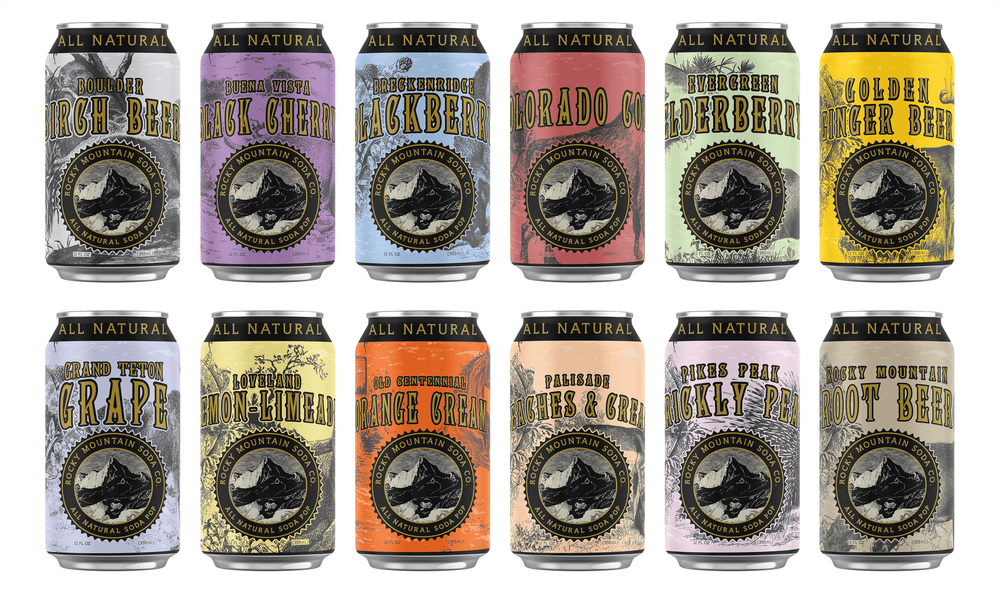
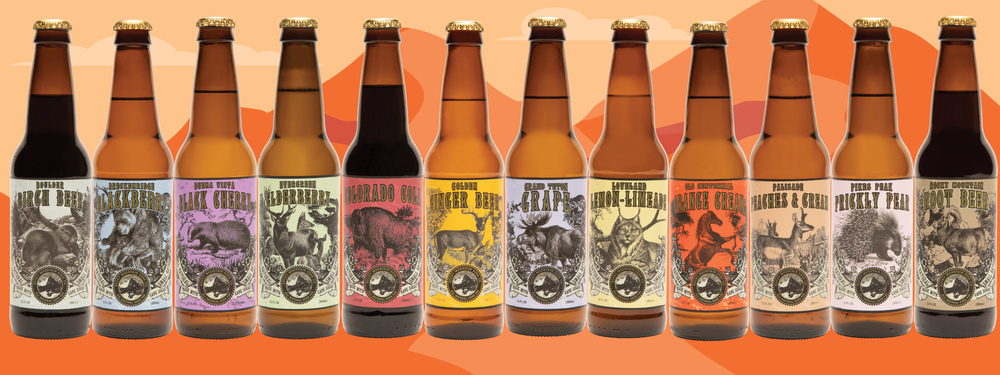
Soda has become one of the world's most popular beverages, but it's spread around the globe with such speed that few have stopped and asked about the potential dangers of the artificial colors and flavors so many of these soft drinks rely on. From our Birch Beer to our Colorado Cola Soda, Grand Teton Grape and Old Centennial Orange Cream, our soda pop is formulated from only the best natural ingredients. To learn more, write to sales@rockymountainsoda.com or call our sales team at (720) 772-7632.
References
- McCann D, et al. “Food additives and hyperactive behaviour in 3-year-old and 8/9-year-old children in the community.” The Lancet (2007). https://www.thelancet.com/...61306-3
- Nigg J, et al. “Meta-Analysis of ADHD Symptoms and Dietary Intake of Synthetic Food Colors.” Journal of the American Academy of Child & Adolescent Psychiatry (2012). https://pmc.ncbi.nlm.nih.gov/articles/PMC4321798/
- Arnold LE, et al. “Artificial Food Colors and Attention-Deficit/Hyperactivity Disorder: A Review and Meta-analysis.” Neurotherapeutics (2012). https://pubmed.ncbi.nlm.nih.gov/22864801/
- He Z, et al. “Food colorants metabolized by commensal bacteria promote colonic inflammation and dysbiosis.” Cell Metabolism (2021). https://www.sciencedirect.com/...001819 - Full Text: https://www.cell.com/...00181-9
- Pestana, et al. “Yellow dye tartrazine is a potential cause of exacerbations of asthma, allergic rhinitis and urticaria in atopic patients.” Allergologia et Immunopathologia (2010). ttps://www.elsevier.es/...9001426