When you crack open a can of your favorite carbonated beverage and take a sip, the flavors are crisp and inviting, and the sweetness rounds out the experience in a hugely satisfying way. But put the can down for a few minutes and take another sip, and it tastes different. It's suddenly smoother and more well-balanced. What happened?
It's the same soda with the same ingredients at the same temperature, yet something's changed. That something is carbonation. In this post, the team at Rocky Mountain Soda in Colorado put carbonation under the microscope.
Table of Contents
Carbonation, the Misunderstood Ingredient

Higher carbonation increases acidity and “bite,” while lower carbonation feels smoother and softer.
Most people think of the bubbles created by carbonation as little more than texture, something that adds a bit of excitement to a drink. And while that's true to a certain degree, carbonation also plays another, equally important role, and once you understand what that is, your soda starts to taste different, in a better way.
Carbonation is there to quietly reshape the flavor of the drink from the first sip to the last. It doesn't just add fizz, it adds bite in the form of a slightly acidic note that sharpens the flavor edges, making the soda taste crisper and brighter than it otherwise would. That's why a highly carbonated drink tastes more electric - for lack of a better term - on the tongue.
The overall effect is subtle but cumulative: more bubbles mean more acidity, which means more bite. That's why a lightly carbonated drink will have a mellow taste while a heavily carbonated one seems to aggressively attack your tongue, even if the sweetness level of the two beverages is exactly the same.
Amplifying Contrasts
It's important to note that carbonation does not add any flavor to the drink. Instead, it amplifies contrasts. Take sweetness, for example. Sugar doesn't exist as an isolated element in a drink. Instead, it is always balanced by acidity, bitterness, and aroma.
High Carbonation
A high-carbonation beverage makes sugar or whatever sweetener is in the drink feel less syrupy. That is the result of carbonation lifting the sweetener off the palate quickly, so it doesn't have a chance to linger. For that reason, a highly carbonated soda pop will taste less sweet than one with less carbonation. Even if they are sweetened to the exact same degree.
Low Carbonation
On the other hand, lower carbonation levels have the opposite effect. The sweetness lingers on the tongue, flavors feel rounder and heavier, and can even cross over into syrupy status in some cases. But it's not that the sweetener content has increased; it's that nothing is pushing back against it anymore. This is all done on purpose by the soda manufacturer to appeal to different tastes.
No carbonated drinks are really immune to these effects. Not even full-flavor natural soda or any of the craft soda pops that have become so popular.
What About Aroma?
The level and intensity of a soda's aroma will rise and fall with the bubbles. That is, with the level of carbonation in the particular beverage. That's because carbonation, even in a non-GMO soda, helps carry aromatic compounds upwards as the bubbles break the surface. Ever wondered why the first sip of a soda smells more intense than the last, when the carbonation has flattened out a bit? Carbonation is the reason.
A highly-carbonated soda will always seem more aromatic at first than other sodas, no matter how restrained the flavoring. In contrast, lightly carbonated pop relies more on the liquid to deliver its aroma, which changes how the flavor is perceived. Typically, making it a more subdued experience.
For the record, all of this is also why soda tastes different when drunk through a straw than when you sip. Because you're changing how the beverage's aroma reaches your nose and, to some extent, muting the influence of carbonation.

Mouthfeel is Where Carbonation Really Shines
"Mouthfeel" is the tactile sensation a carbonated beverage creates in your mouth. It is distinct from taste and involves everything from body (light or heavy) to texture and more, including carbonation. The cumulative effect of the various aspects of a soda determines its crispness, richness, or smoothness, all of which impact your enjoyment of the beverage.
Carbonation is an essential element of mouthfeel that influences it in various ways. Fine bubbles feel creamy and under control, while large bubbles are aggressive and can feel sharp. Both can affect how flavor unfolds across the drinker's palate.
Even if it is sweet, a high-carbonation soda will create a light, airy mouthfeel. That's because the bubbles stop the flavor molecules from settling. On the other hand, less carbonated beverages allow flavors to linger.
This phenomenon is why one cola may be said to be crisp, while other colas are marketed for their soft, smooth taste. The difference isn't just in the ingredients; it's in the carbonation.
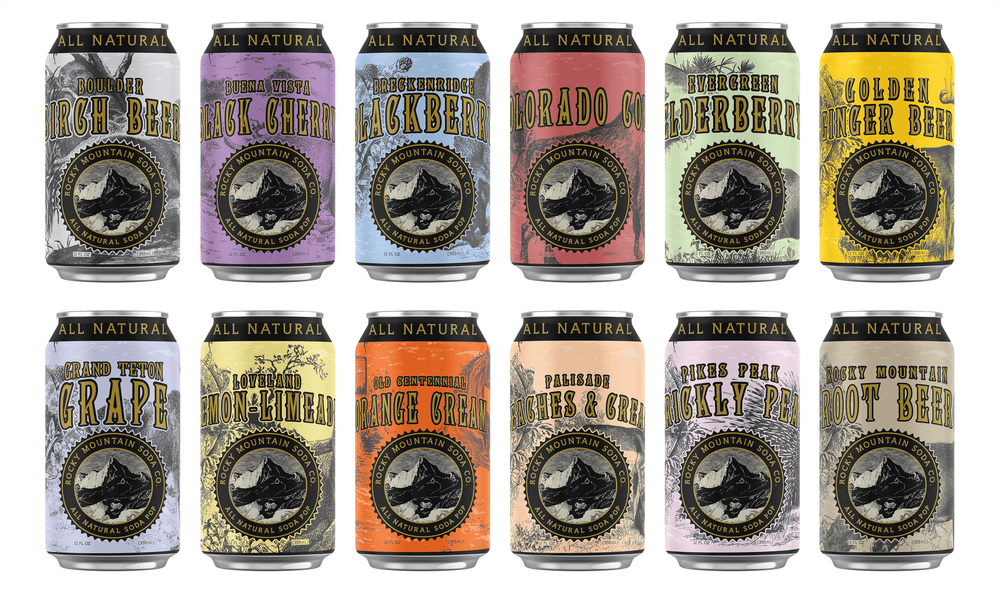
In our opinion, the best sodas - like our Rocky Mountain Soda - occupy a middle ground where carbonation supports the flavor without ever competing with it.
Keep in Mind Temperature Changes, How Carbonation Affects Taste
A cold soda will retain its carbonation better than a warm one. That's why soda tastes sharper when it's ice cold and sweeter when it's warmer. As a soda's temperature rises, its carbonation bubbles escape, softening its acidity while the sweetener becomes more prominent. This phenomenon is also why the last few sips of a bottle of pop often taste unbalanced, as the carbonation that once kept everything in check is gone.
Quick Tip
Serve sodas colder when you want a crisper, sharper profile and slightly warmer when you want the sweetness to shine.Carbonation Preferences Are Mainly a Matter of Personal Taste
Some folks love an aggressive fizz, while others like a more subdued soda experience. This is why manufacturers create sodas with a wide variety of carbonation levels. Those who enjoy a sharper flavor typically prefer high carbonation. While those who prefer a creamier experience tend to prefer sodas with less carbonation. Neither can be said to be "right". They simply are what they are, and the smart manufacturer does their best to address everyone's tastes.
| Carbonation Style | Typical Experience | Great For |
|---|---|---|
| High carbonation | Crisp, sharp, less perceived sweetness, strong aroma at first sip. | Lemon-lime, ginger, and other bright, zesty flavors. |
| Medium carbonation | Balanced bite and sweetness; supportive, not overwhelming bubbles. | Classic colas and many craft sodas like Rocky Mountain Soda. |
| Low carbonation | Smoother, creamier mouthfeel with more lingering sweetness. | Rich, dessert-like flavors such as cream sodas and root beers. |
Conclusion
Carbonation does more than add a few bubbles to your beverage. It shapes much of the experience of a soda from initial mouthfeel to the last sip, and every sip in between. Once you understand the true role of carbonation in your beverage, you can't ignore it or untaste it.
Want to Explore Carbonation Done Right?
To learn more about our non 100% organic sugar Rocky Mountain Sodas, write to sales@rockymountainsoda.com or call us at (720) 772-7632. Follow us on Facebook