Few fruits are as closely tied to American seasons and regional food traditions as berries. Blueberries signal summer breakfasts and farm stands. Cranberries arrive with the holidays. Strawberries dominate early-season desserts, while blackberries and huckleberries carry a distinctly wild character in many parts of the country.
Strictly speaking, not everything we casually call a berry is one in botanical terms. Strawberries and blackberries, for example, are aggregate fruits. But in the kitchen, at the farmers market, and in American food culture, they belong to the same familiar culinary category: small, colorful fruits packed with flavor and a strong sense of place.
Table of Contents
Blueberry: A Native Fruit Turned National Staple
Blueberries are one of North America’s signature native fruits. Wild species grew across the continent long before commercial agriculture, but the cultivated blueberry is surprisingly modern.
In the early 1900s, USDA botanist Frederick Coville determined that blueberries require acidic soil, work that helped make reliable cultivation possible. Working with New Jersey grower Elizabeth White, Coville helped develop improved highbush varieties, and the first commercial crop of cultivated highbush blueberries was harvested in 1916, according to the U.S. Department of Agriculture.
That agricultural breakthrough turned a primarily wild-picked fruit into a mainstream crop. Today, the blueberry’s mild sweetness, slight acidity, deep color, and easy portability make it equally at home in pancakes, muffins, preserves, salads, smoothies, and fresh-from-the-carton snacking.

Cranberry: The Berry Most Closely Tied to an American Holiday

No berry has a stronger association with a specific American meal than the cranberry. Native to North America, cranberries thrive in acidic wetlands and have a long history that predates European settlement.
Indigenous peoples harvested and used cranberries well before colonists arrived in New England. The Smithsonian notes that Native communities gathered the fruit from bogs and marshes and used it in food preparations long before cranberry sauce became a fixture of the modern Thanksgiving table. That deeper history makes the cranberry more than a seasonal side dish; it is one of the country’s genuinely native food traditions. The Smithsonian Libraries and Archives offers a useful look at that history.
Flavor is part of what keeps cranberry distinctive. Its sharp acidity and natural astringency are much more pronounced than the soft sweetness of blueberries or strawberries. That makes cranberries especially useful in sauces, juices, baked goods, relishes, and recipes where sweetness needs a tart counterweight.
Huckleberry: The Mountain West’s Elusive Favorite
Huckleberry means different things in different regions, but in the American West the name is closely associated with wild Vaccinium species that grow in mountain forests and high-country clearings. Unlike blueberries, western huckleberries have resisted large-scale domestication, which helps preserve their reputation as a fruit you often have to go looking for.
That scarcity is part of the appeal. Huckleberries tend to deliver a more intense sweet-tart flavor than cultivated blueberries, often with a darker, more aromatic edge. They are prized for jams, pies, ice cream, and other foods that let the berry remain the dominant flavor.
Huckleberries also have a deep regional history. Indigenous communities in the Pacific Northwest and inland West have harvested, preserved, and actively managed huckleberry areas for generations. For a closer look at the fruit’s growing habits, harvest season, and cultural associations,

Explore More Huckleberry History
Dive deeper into the traditions, habitats, and harvest stories behind this elusive mountain berry.Read Seven Surprising Facts About Huckleberries
Blackberry: The Bramble Berry With a Wild Edge

Blackberries are richer, darker, and often more complex than their bright-red and blue counterparts. Depending on ripeness and variety, they can move from sharply tart to deeply sweet, with earthy and wine-like notes underneath.
They also retain a connection to foraging. Numerous native blackberry species grow across North America, and their thorny brambles remain a familiar sight along woodland edges, fields, and rural roads. That wild-growing character is part of the fruit’s identity even though commercial blackberry cultivation is now widespread.
Blackberries are particularly versatile because their acidity stands up well to cooking. They work in cobblers, pies, preserves, sauces, and drinks without disappearing into sugar. We took a deeper look at the fruit in All About Blackberries: 16 Fascinating Facts About the Fruit if you want to learn more.
Strawberry: The Taste of Early Summer
The strawberry may be the most instantly recognizable berry flavor in America. Its combination of sweetness, acidity, floral aroma, and bright red color has made it a fixture of shortcakes, pies, jams, ice cream, breakfast dishes, and fresh-fruit stands.
What makes strawberries especially appealing is their aromatic character. A ripe strawberry does not need intense sugar to taste expressive; much of its identity comes from aroma compounds that create the fruit’s familiar fragrance before the first bite.
Strawberries also occupy a particular place in the seasonal calendar. In many growing regions, they are among the first major local fruits to arrive in late spring or early summer. That timing is why strawberry dishes are so strongly associated with picnics, warm-weather desserts, roadside stands, and the beginning of fresh-fruit season.

Why These Berries Endure
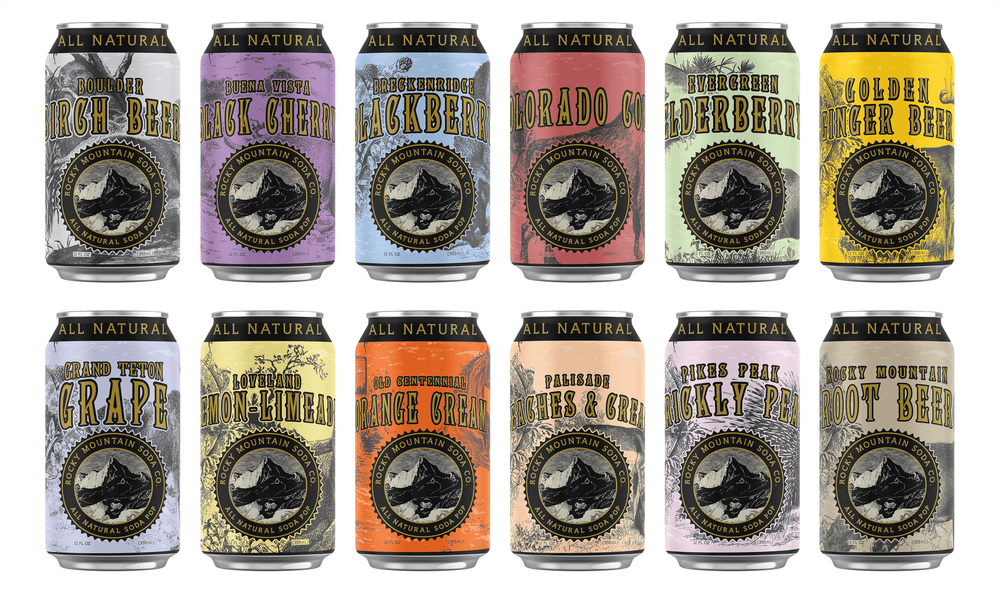
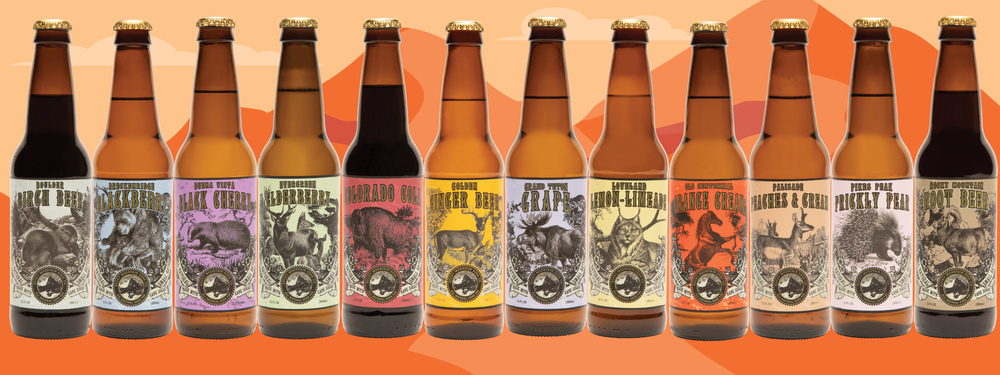
The wide range of colors and flavor profiles is exactly why berry flavors translate so well beyond fresh fruit. For us, we tackled two of our favorites with Breckenridge Blackberry and Hayden Huckleberry, both built around fruits with strong regional identities and distinct tastes.
At a simple level, they bring us some culinary comfort as seasonal crops and wild harvests whose flavors have become part of the American food landscape.